

Care Guide
How to live beautifully with your furniture.
Furniture is not meant to be admired once and forgotten. It is meant to be lived with. This guide is here to help you live beautifully with your furniture — not nervously, not obsessively. Just wisely.
Always care for the material in front of you — not the idea of furniture in general.
—
Everyday Care,
The Vylone Way
The best maintenance is almost boring. Dust regularly. Wipe gently. Clean spills quickly. Avoid direct heat. Keep strong sunlight in mind. Lift instead of drag. Furniture usually does not fall apart because of one big event. It wears down because of repeated small habits.
- Use coasters and placemats
- Rotate cushions regularly
- Blot spills — never rub
- Lift furniture when moving
- Avoid direct heat and harsh sun
- Clean with material-specific products only
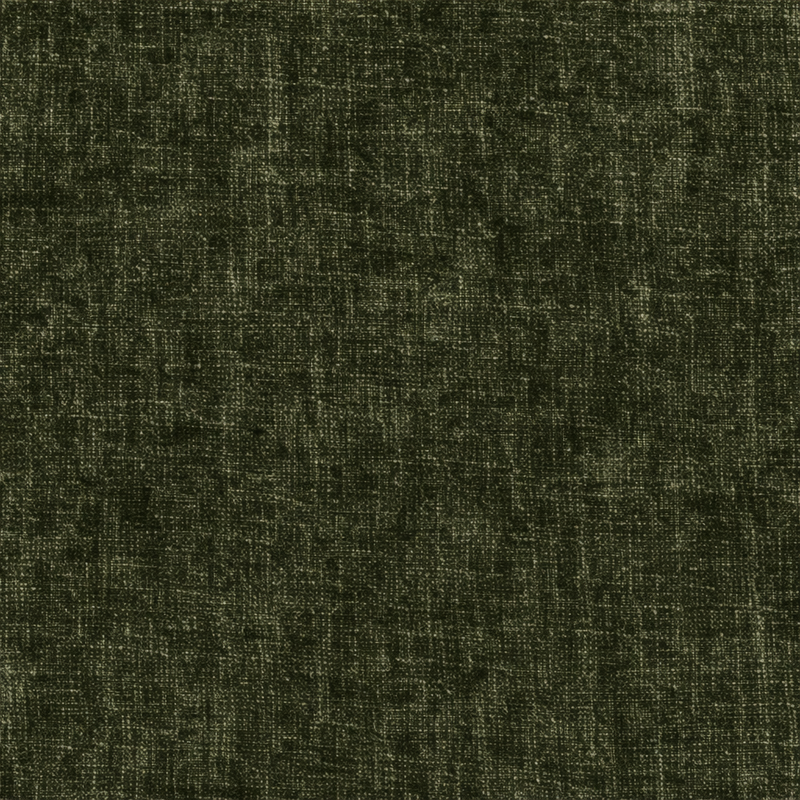
Fabric Upholstery
Fabric furniture is where real life happens. Vacuum gently with a soft brush attachment. Blot spills immediately — never rub. For spot cleaning, use a slightly damp cloth with mild soap and always test first. Avoid soaking, harsh chemicals, or anything overly aggressive.
- Vacuum with soft brush attachment regularly
- Blot spills immediately — do not rub
- Test any cleaner on hidden area first
- Rotate cushions for even wear
- Keep away from intense direct sunlight
- Follow removable cover care labels exactly
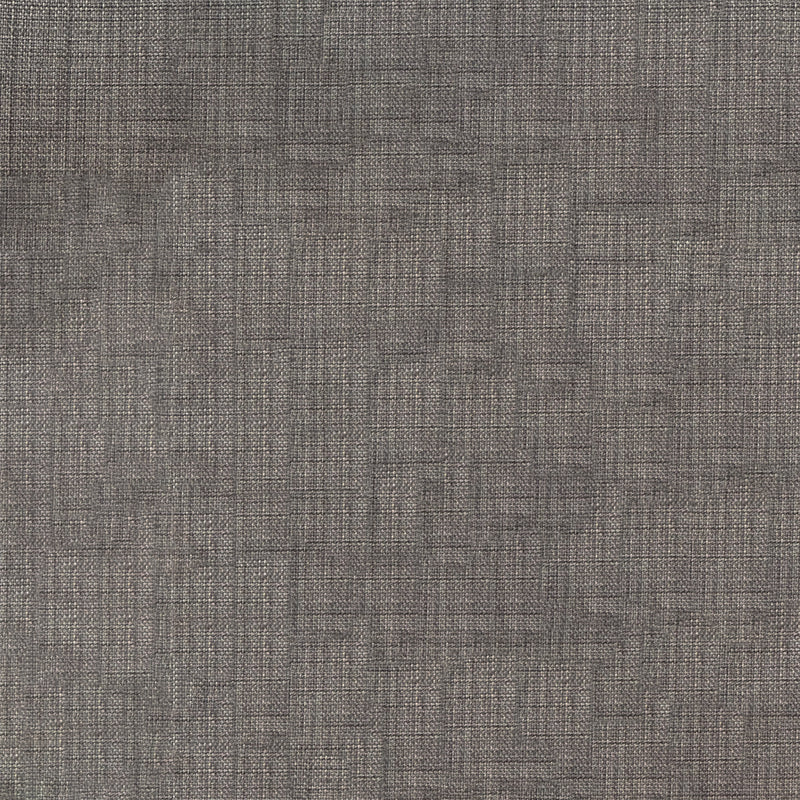
Linen
Linen is one of the most beautiful materials a home can have because it never tries too hard. It wrinkles — that is not a flaw, that is linen being linen. Treat it gently and accept that perfection is not the point. One of the loveliest things about linen is that it softens with time.
- Vacuum regularly with soft attachment
- Avoid scrubbing — linen dislikes aggression
- Blot spills immediately with dry cloth
- Use sheer curtains in very sunny rooms
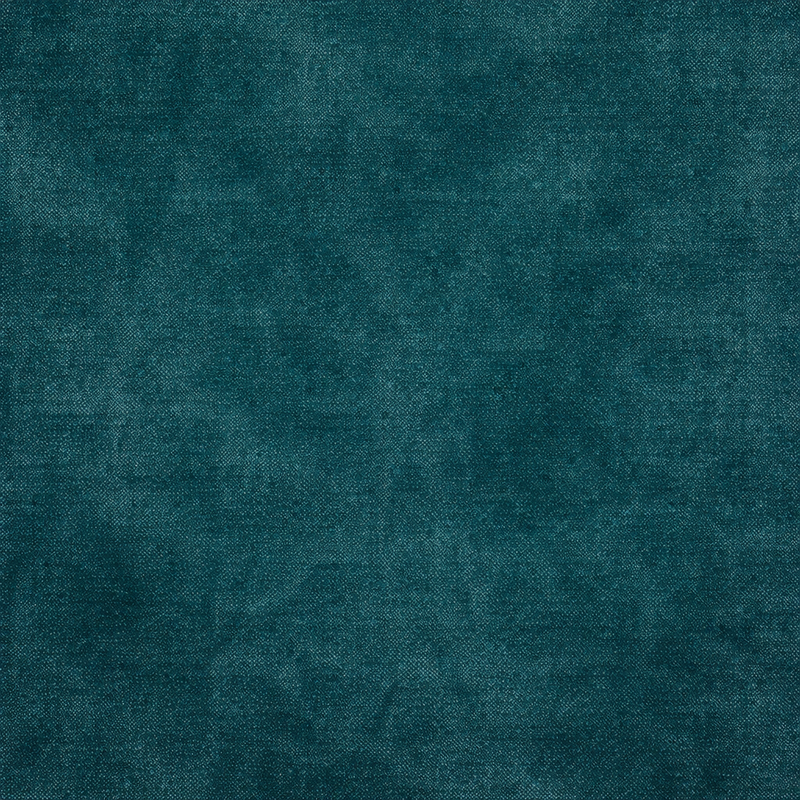
Velvet
Velvet catches light beautifully, changes tone depending on angle, and adds depth instantly. It also likes to remind people that luxury does not mean indestructibility. Vacuum gently in the direction of the pile. Never saturate with moisture.
- Always vacuum in direction of the pile
- Blot spills — never rub or saturate
- A soft brush restores flattened pile
- Professional clean for serious stains
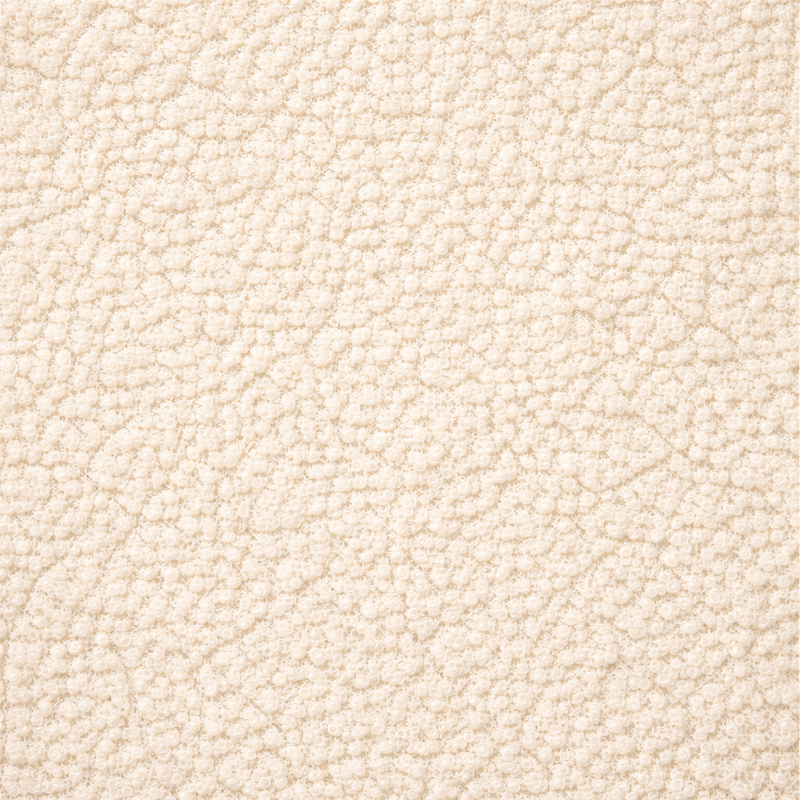
Bouclé
Bouclé is warm, sculptural, tactile, and dangerously good at making a room feel finished. Its looped texture means dust and debris settle in if ignored. It rewards gentle maintenance and punishes rough habits — but is usually very easy to live with when treated with respect.
- Vacuum gently with soft brush attachment
- Never snag loops — sharp objects nearby
- Blot carefully — avoid dragging liquid deeper
- Trim pet nails — claw pulls ruin loops
Leather
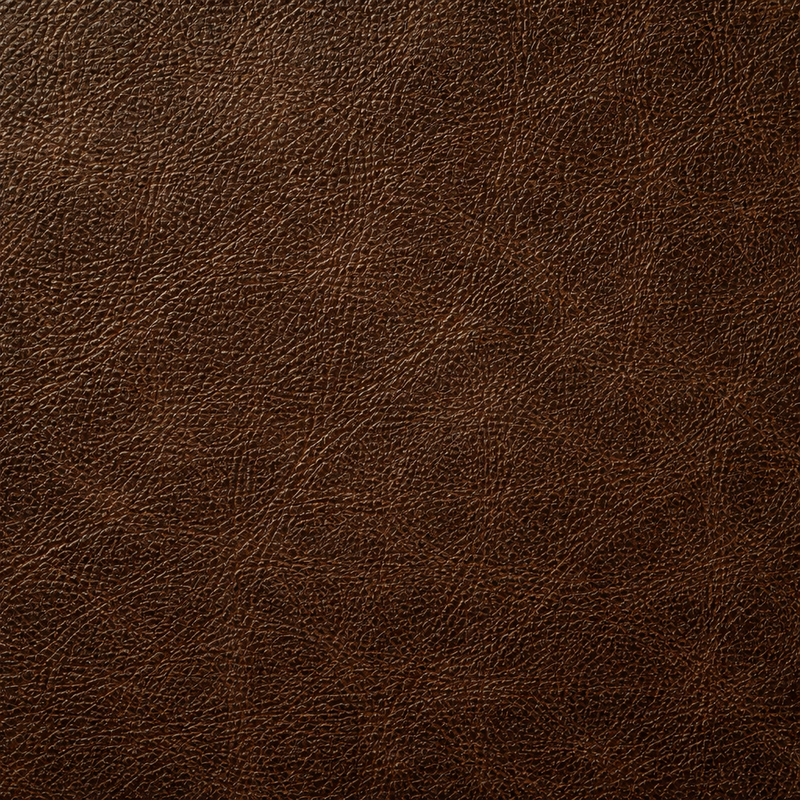
Leather has one of the most beautiful aging processes in furniture. If cared for well, it develops depth, softness, and a patina that makes it feel more personal over time. A mark here or there may become part of its story. The goal is not to keep it frozen in time — the goal is to let it age well.
- Dust with soft dry cloth regularly
- Condition occasionally with leather-specific product
- No alcohol, bleach, or harsh chemicals
- Keep away from heat sources and direct sun
Wood
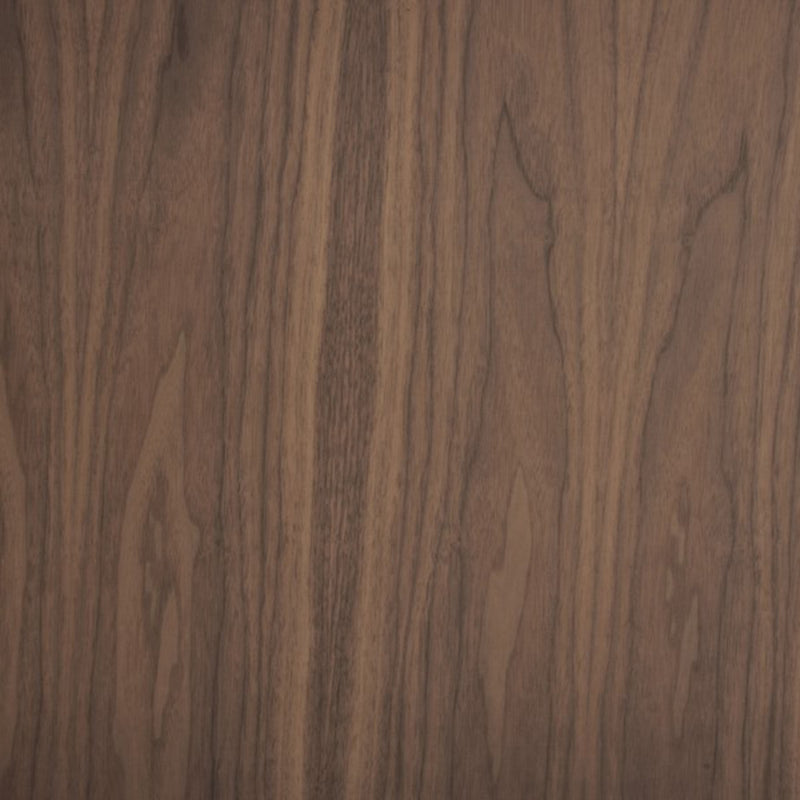
Wood is one of the most forgiving and beautiful materials in furniture, but only if people stop treating it like sealed plastic. Wood is alive — it responds to its environment, expands and contracts with humidity, reacts to heat, and changes tone over time. This is normal. It is not a defect.
- Use coasters and placemats always
- Lift when moving — never drag
- Dry immediately after any moisture contact
- Avoid harsh chemicals — wood-safe products only
- Rotate décor objects to even out sun exposure
- Maintain stable humidity — wood needs stability
Marble
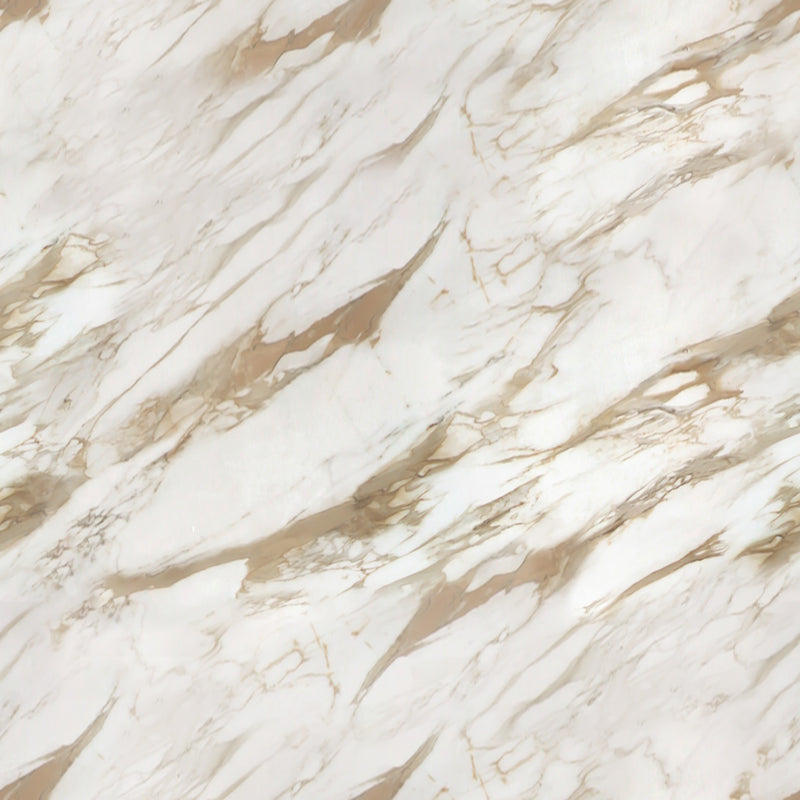
Marble is beautiful, dramatic, timeless, and slightly unforgiving. It is porous and sensitive to acids — lemon, vinegar, wine, coffee, and certain cleaners can etch the surface. Not every mark is a stain. Sometimes it is a dull area where the finish has been chemically affected. Marble remembers everything.
- Wipe acidic spills immediately
- pH-neutral stone cleaner only
- Never use vinegar, bleach, or citrus cleaners
- Use coasters, placemats, and trays always
Glass
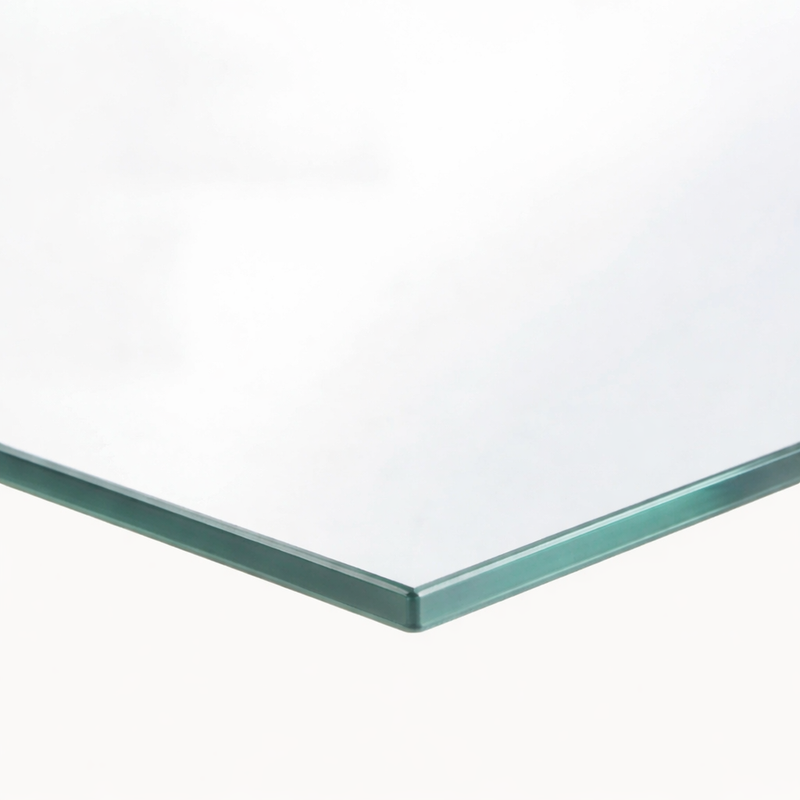
Glass makes a room feel lighter, sharper, and more architectural. It also has a remarkable ability to collect fingerprints the moment anyone gets near it. Clean with microfiber and suitable glass cleaner. Avoid sliding abrasive objects across the surface.
- Use soft microfiber cloth only
- Avoid abrasive objects on surface
- Use coasters to protect edges
- Match cleaner to surrounding materials too

Metal
Metal furniture can feel sleek, modern, industrial, sculptural, or quietly refined depending on the finish. Most metals are straightforward to maintain. Dust regularly and wipe with a soft damp cloth. Dry thoroughly to prevent water marks or moisture buildup.
- Dry thoroughly after cleaning
- No abrasive pads on finished surfaces
- Wipe brushed finishes with the grain
- Gentle handling — avoid chips in coated finishes
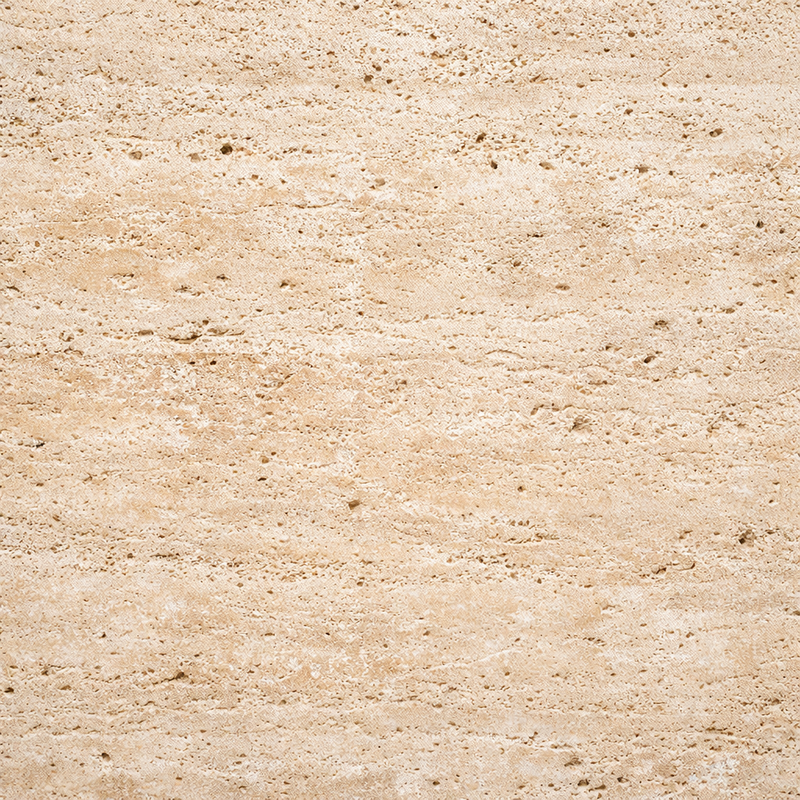
Stone
Travertine, limestone, and many other natural stones share marble's love of elegance and dislike of harsh treatment. Stone is durable, but not careless-proof. It appreciates calm, gentle maintenance and absolutely no kitchen chemistry experiments.
- pH-neutral stone-safe cleaner only
- No acids, bleach, or abrasive materials
- Sealing may be recommended — check product care
- Soft cloth, minimal moisture, dry afterward
The 5 Rules of
Furniture Care
Blot, don't panic
A spill is never an emergency unless you rub it into the fabric. Stay calm, reach for a clean cloth, and press gently. Most things are fixable when handled immediately and kindly.
Wood hates water
Every wooden surface needs coasters, placemats, and a prompt dry after any moisture contact. Water rings are not decorative. Use products made specifically for wood, and dry every time.
Marble remembers everything
Natural stone is porous. Acids from wine, lemon, vinegar, and the wrong cleaners leave permanent marks. Wipe immediately, use pH-neutral cleaners only, and treat marble with the respect it has earned.
Sunlight changes everything
Prolonged direct sun fades fabrics, shifts wood tones unevenly, dries leather, and stresses many finishes. Awareness of where furniture sits in relation to windows makes a significant long-term difference.
Lift, don't drag
Dragging furniture damages both the piece and the floor in one efficient motion. Lift when moving. Use felt pads under legs. Treat rearranging as a careful act, not a quick task to be rushed through.
Things Furniture
Secretly Hates
Furniture does not complain until it is too late. Here is what it would say if it could.
Mystery cleaning sprays
If you do not know what it is, do not put it on the furniture.
Aggressive scrubbing
Rubbing harder rarely helps. It usually makes it worse.
Direct heat
Hot mugs on wood. Radiators next to leather. All of it.
Dragging across floors
Lift it. Always. For everyone's sake.
Red wine left overnight
Act fast. Everything is more forgiving when fresh.
Waiting three weeks
The spill that seemed like a good idea to deal with later.
Assuming all materials are the same
Marble, wood, and velvet are not the same. Treat them differently.
Strong permanent sunlight
Fading is slow and silent until it is very obvious.
What We Always Recommend
- →Act early when something spills, marks, or feels off
- →Use the gentlest method first
- →Test any cleaner on a hidden area before using it fully
- →Read the specific product guidance whenever provided
- →Ask for help if you are unsure
- →Start gently, then reassess
What We Never Recommend
- ×Harsh chemicals without material approval
- ×Soaking upholstery
- ×Rubbing stains aggressively
- ×Hot objects directly on delicate surfaces
- ×Assuming all stone, wood, or fabric is the same
- ×Waiting three weeks before addressing a spill